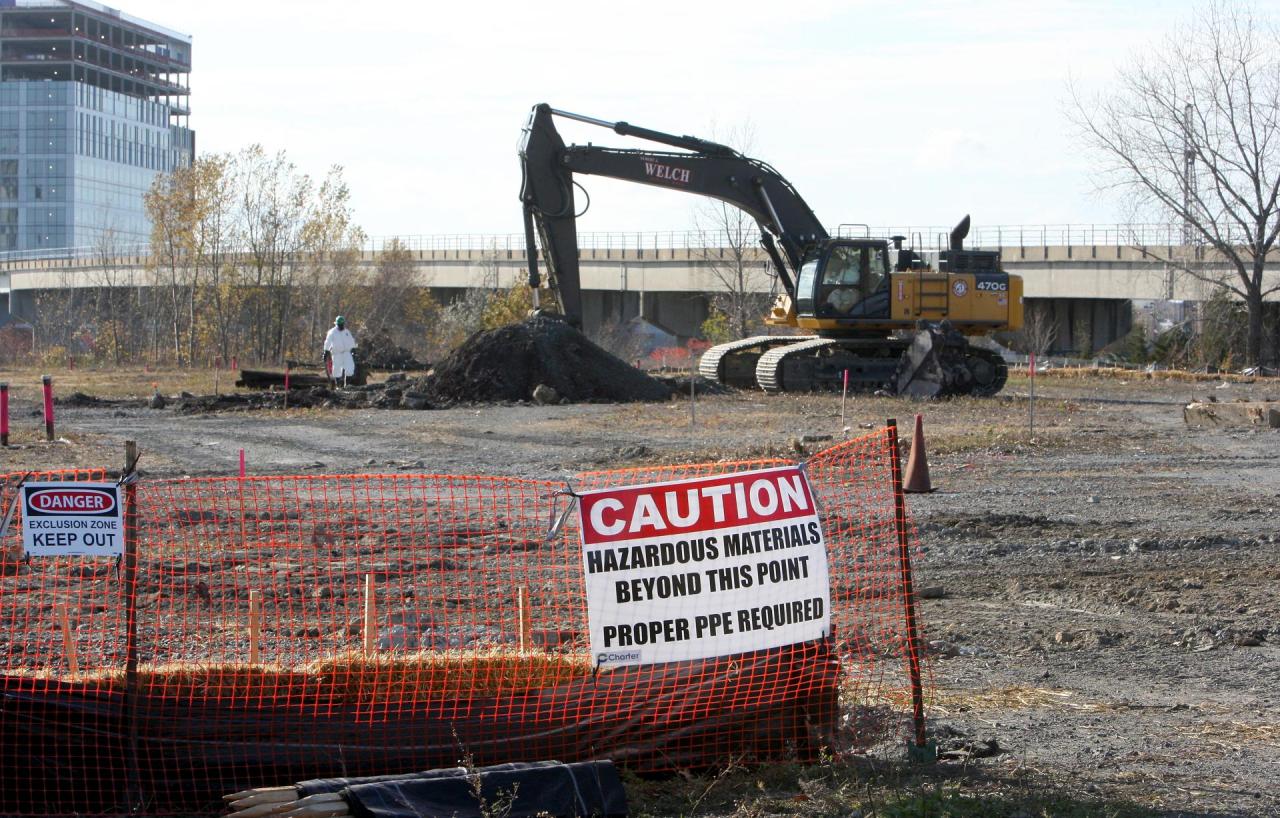
MD cop convicted of assault for pointing gun at civilian’s face, will serve a mandatory minimum sentence of at least five years without parole for using a firearm in a violent crime.
Paris attackers used real names, real IDs, and unencrypted, simple messaging to make plans.
(http://www.wsj.com/articles/paris-attacks-plot-was-hatched-in-plain-sight-1448587309)
Categories
How Turkey Got Its Name
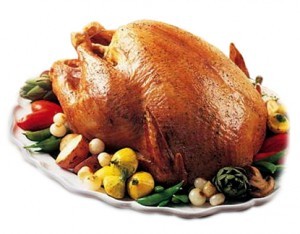
“As far as we can tell, the first European explorers to discover (and eat) turkey were those in Hernan Cortez’s expedition in Mexico in 1519. This new delicacy was brought back to Europe by Spanish Conquistadors and by 1524, had reached England.”
“But the birds did not come directly from the New World to England; rather, they came via merchant ships from the eastern Mediterranean Sea. Those merchants were called “Turkey merchant” as much the area was part of the Turkish Empire at the time. Purchasers of the birds back home in England thought the fowl came from the area, hence the name “Turkey birds” or, soon thereafter, “turkeys.”
“Not all languages follow this misconception. Others, such as Hebrew get the origin just as wrong, but in the other direction. The Hebrew term for turkey, transliterated as tarnagol hodu, literally translates to “chicken of India,” furthering the Elizabethan-era myth that New World explorers had found a route to the Orient. This nomenclature for the bird is so wide-spread that it self-defeats the historical basis for the term “turkey” in English, as the Turkish word for turkey is “hindi.”
Amazing, historic, awesome.
(https://www.blueorigin.com/news/blue-origin-makes-historic-rocket-landing).
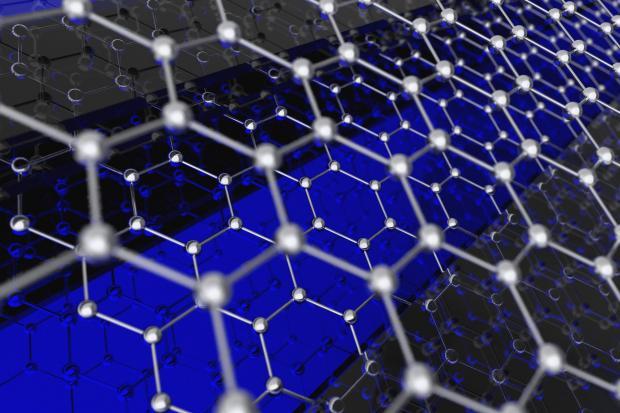
Graphene is the world’s thinnest material at just a single atom thick, or one-million times thinner than a human hair, but is 200 times stronger than steel and conducts heat and electricity better than copper.
Graphene is usually produced by a process known as chemical vapour deposition, or CVD, which turns gaseous reactants into a film of graphene on a special surface known as a substrate.
The research team at Glasgow used a similar process, but used commercially-available copper foils, often used as the negative electrodes in lithium-ion batteries, as a surface on which to create high-quality graphene.
Researchers also observed the surface of the copper used provided an excellent bed for the graphene to form upon.
The university’s technique of producing graphene not only reduced the cost but offered a stark improvement in the electrical and optical performance of the material, compared to the older, more expensive, process.

Categories
 danelabonte