A Meadow of Frost Flowers
Just before dawn broke one morning over the Arctic Ocean, the temperature dropped and University of Washington graduate student Jeff Bowman spotted something otherworldly from his ship—little icy flowers, blooming up from the frozen sea. They were like snowflakes, delicately protruding up from the thin ice “like a meadow spreading off in all directions,” Bowman recalls. “Every available surface was covered with them.” These are called frost flowers, though they’re not really flowers—they’re natural ice sculptures that form when the air is colder and dryer than the thin layer of ice covering the sea. The air teases up moisture from imperfections in the ice, which becomes supersaturated and condenses back into ice, creating frosty, feathery spikes that blossom like flowers. The flowers are about three times saltier than the ocean below, yet each one houses around a million bacteria. This is rare for such incredibly salty, brutally cold conditions, but it’s strangely beautiful—each delicate frost flower is essentially a temporary ecosystem, until the sun rises and melts them away again.
(Image Credit: Jeff Bowman)
Category: Uncategorized

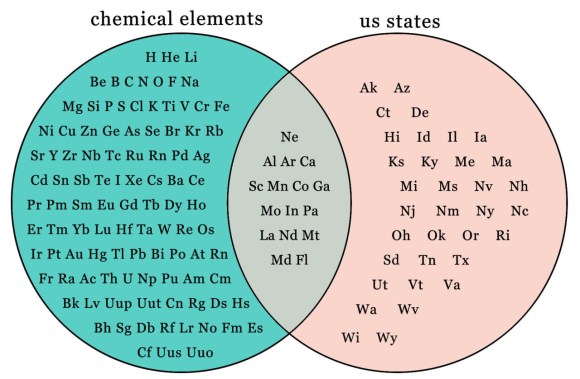
Things you contemplate while washing your hair when you own a periodic table shower curtain.
-elli m
Even at their most efficient, conventional solar panels are hard-pressed to make the grade. The silicon solar cells in widespread use today operate at an efficiency of less than 20 percent.
That’s why researchers have been focused on looking for new cell fabrication technologies and solar-collecting techniques that might up their efficiency of harnessing the sun’s electromagnetic radiation.

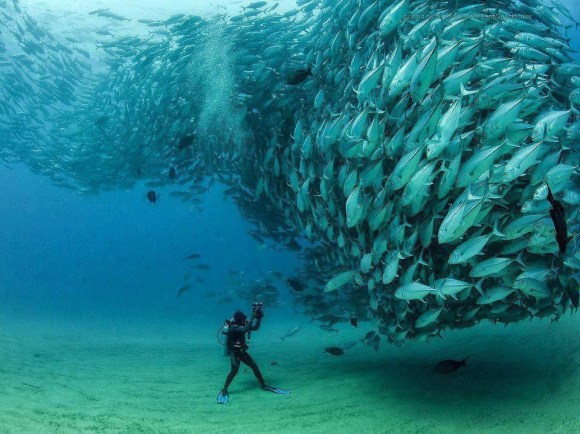
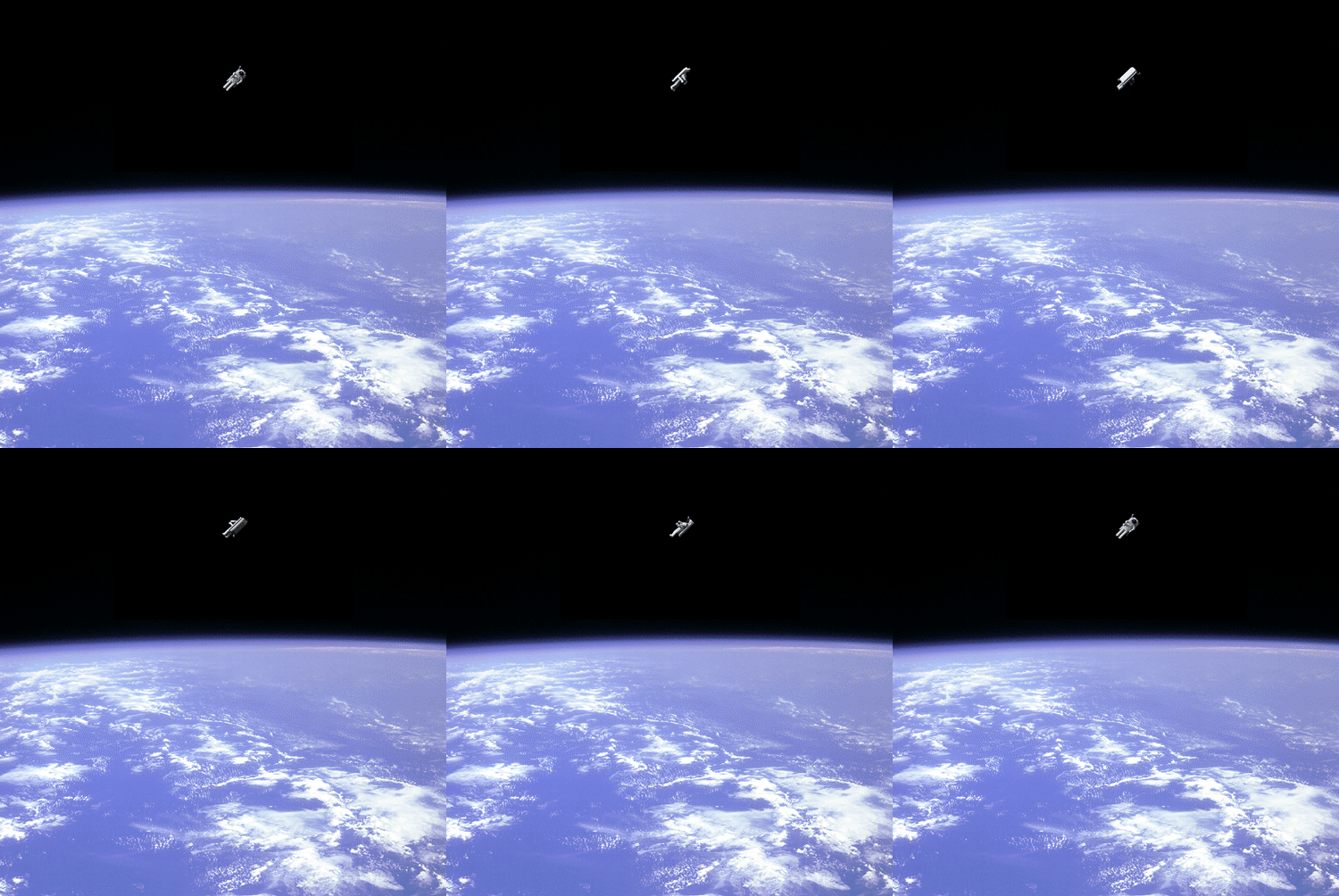
Edit: Bumped into a higher resolution photo and a video.
Photo: http://i1.minus.com/ibamROWBMbjEzc.jpg
Video: http://www.youtube.com/watch?v=pr5uEguvHUo
(via http://www.reddit.com/r/pics/comments/1e2xga/diving_is_one_thing_buterwow/c9w9v5a)

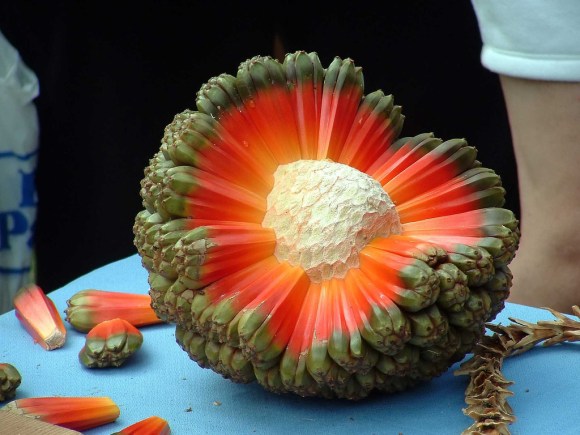
Hala Fruit
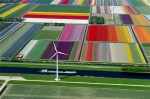
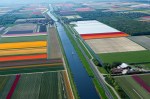
Aerial Photographs Of Tulip Fields In The Netherlands By Normann Szkop
I think I’ve already reblogged this several times. But I just can’t stop. And I’m not sure why.

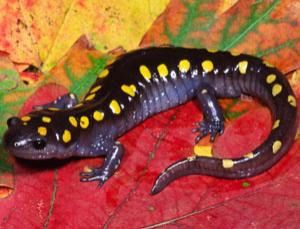
Solar-powered salamander
Their eggs often contain single-celled green algae called Oophila amblystomatis. The salamanders lay the eggs in pools of water, and the algae colonise them within hours.
The embryos release waste material, which the algae feed on. In turn the algae photosynthesise and release oxygen, which the embryos take in.
A close examination of the eggs revealed that some of the algae were living within the embryos themselves, and in some cases were actually inside embryonic cells. That suggested the embryos weren’t just taking oxygen from the algae: they might be taking glucose too. In other words, the algae were acting as internal power stations, generating fuel for the salamanders.
http://www.newscientist.com/mobile/article/dn23090-zoologger-the-first-solarpowered-vertebrate.html

lovingthebike.com