Screening thousands of drugs, Stanford scientists determined that in mice, azlocillin, an antibiotic approved by the Food and Drug Administration, eliminated the bacteria that causes Lyme disease.
“A bacterium that feeds on toxic plastic has been discovered by scientists. The bug not only breaks the plastic down but uses it as food to power the process.
“The bacterium, which was found at a waste site where plastic had been dumped, is the first that is known to attack polyurethane. Millions of tonnes of the plastic is produced every year to use in items such as sports shoes, nappies, kitchen sponges and as foam insulation, but it is mostly sent to landfill because it it too tough to recycle.
“When broken down it can release toxic and carcinogenic chemicals which would kill most bacteria, but the newly discovered strain is able to survive. While the research has identified the bug and some of its key characteristics, much work remains to be done before it can be used to treat large amounts of waste plastic.”
“When lake water freezes quickly it can trap bubbles below the surface. These bubbles in Switzerland’s Lago Bianco were likely formed from methane. Decaying organic matter at the bottom of the lake is eaten by bacteria, which in turn pump out methane gas. If conditions are right, the methane bubbles are captured as the water freezes around them.”
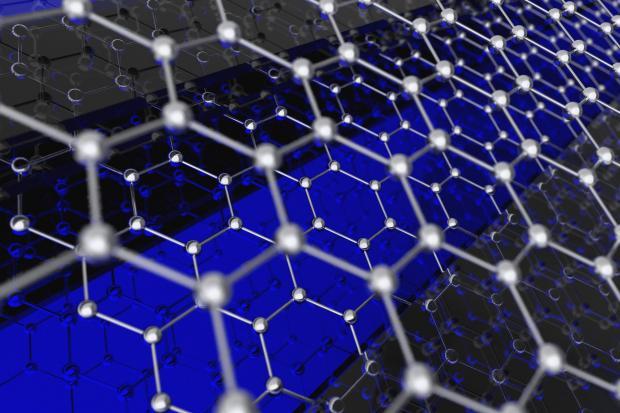
Graphene is the world’s thinnest material at just a single atom thick, or one-million times thinner than a human hair, but is 200 times stronger than steel and conducts heat and electricity better than copper.
Graphene is usually produced by a process known as chemical vapour deposition, or CVD, which turns gaseous reactants into a film of graphene on a special surface known as a substrate.
The research team at Glasgow used a similar process, but used commercially-available copper foils, often used as the negative electrodes in lithium-ion batteries, as a surface on which to create high-quality graphene.
Researchers also observed the surface of the copper used provided an excellent bed for the graphene to form upon.
The university’s technique of producing graphene not only reduced the cost but offered a stark improvement in the electrical and optical performance of the material, compared to the older, more expensive, process.
In what could greatly reduce the impact that waste has on the environment, scientists have found a creature whose gut bacteria can safely biodegrade plastic: the mealworm.



 danelabonte