msce:
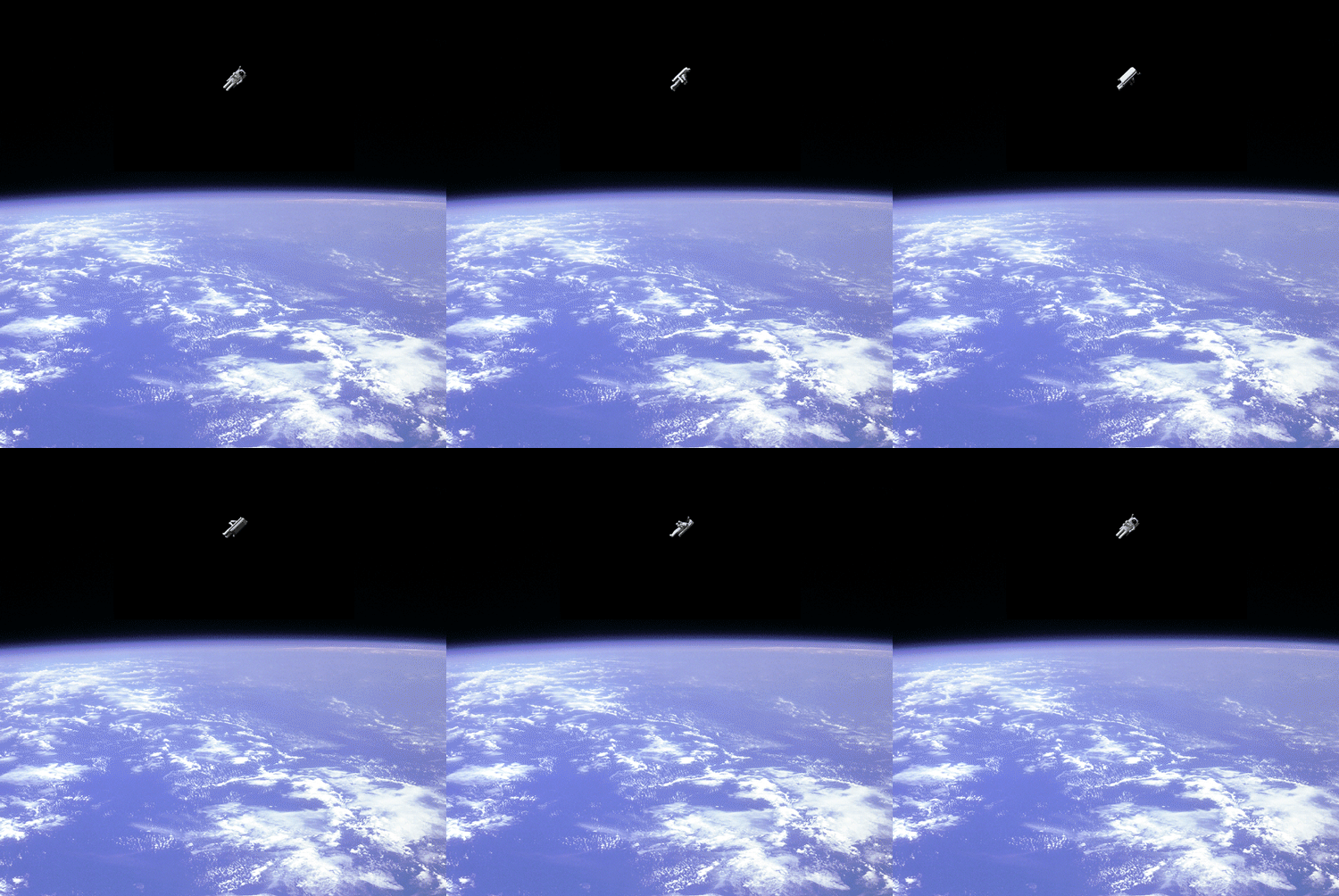
The entire universe is yours
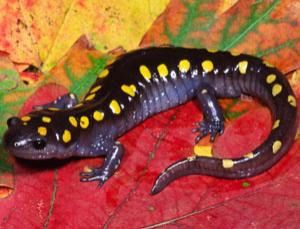
Solar-powered salamander
Their eggs often contain single-celled green algae called Oophila amblystomatis. The salamanders lay the eggs in pools of water, and the algae colonise them within hours.
The embryos release waste material, which the algae feed on. In turn the algae photosynthesise and release oxygen, which the embryos take in.
A close examination of the eggs revealed that some of the algae were living within the embryos themselves, and in some cases were actually inside embryonic cells. That suggested the embryos weren’t just taking oxygen from the algae: they might be taking glucose too. In other words, the algae were acting as internal power stations, generating fuel for the salamanders.
http://www.newscientist.com/mobile/article/dn23090-zoologger-the-first-solarpowered-vertebrate.html

lovingthebike.com
At the Boston Marathon, the oldest, most prestigious, and most professionally managed event on the American racing calendar, Litton had hit every split, changed his clothes along the way, and broken three hours. No one but Litton could say how he did it.

My life is now complete. (at Bohler Engineering)
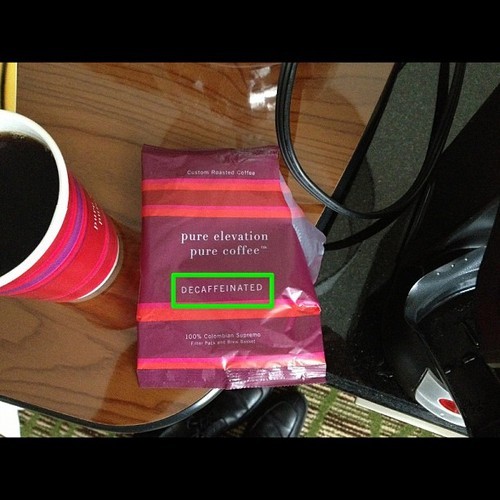
What kind of cruel trick is this? (at Hanover Marriott)
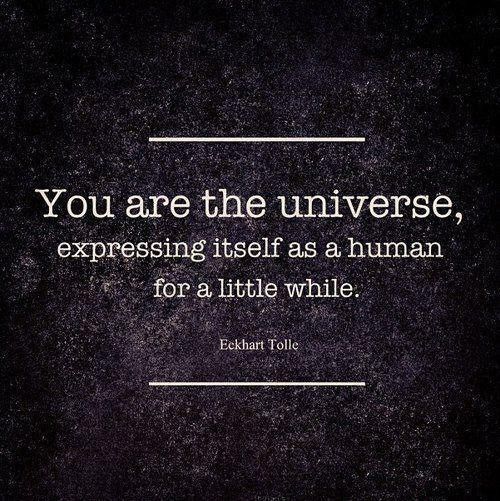
You are the universe, expressing itself as a human for a little while. – Eckhart Tolle

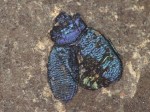
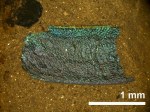
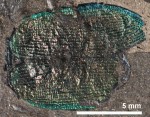
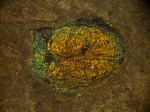
Prehistoric Colours
We typically think of the fossil record as a black and white view into the prehistoric world, but some fossils show that dinosaurs, fish, early insects and even ancient plants were very colourful creatures indeed. A team led by Yale University paleogeologist Maria McNamara have analysed spectacularly coloured fossils of beetles that lived 15–47 million years ago—and these fossils have preserved not only shape and structure, but also the colours of the beetles’ exoskeletons. Many other fossils use pigment traces to generate colour, which bounces light off a chemical, but the beetles’ colours are far richer because they are generated through a phenomenon called structural colouration, in which light bounces off nanometre-scale surface geometries. By analysing the fossils under an electron microscope, McNamara and her team found that the colours had shifted slightly during the fossilisation process—specifically, they had been redshifted , so a blue beetle would have become slightly greener, and a yellow one would have become slightly oranger. After correcting for this shift, the team can envision the beetles’ flashy metallic exoskeletons just as they looked when they were alive. These colours also give clues about how the beetle lived, allowing the researchers to determined whether they served visual functions like thermo-regulation or communication.
(Image Credit: Wired)
So basically prehistory looked like the 80s.


 danelabonte